KURUME CITY ART MUSEUM

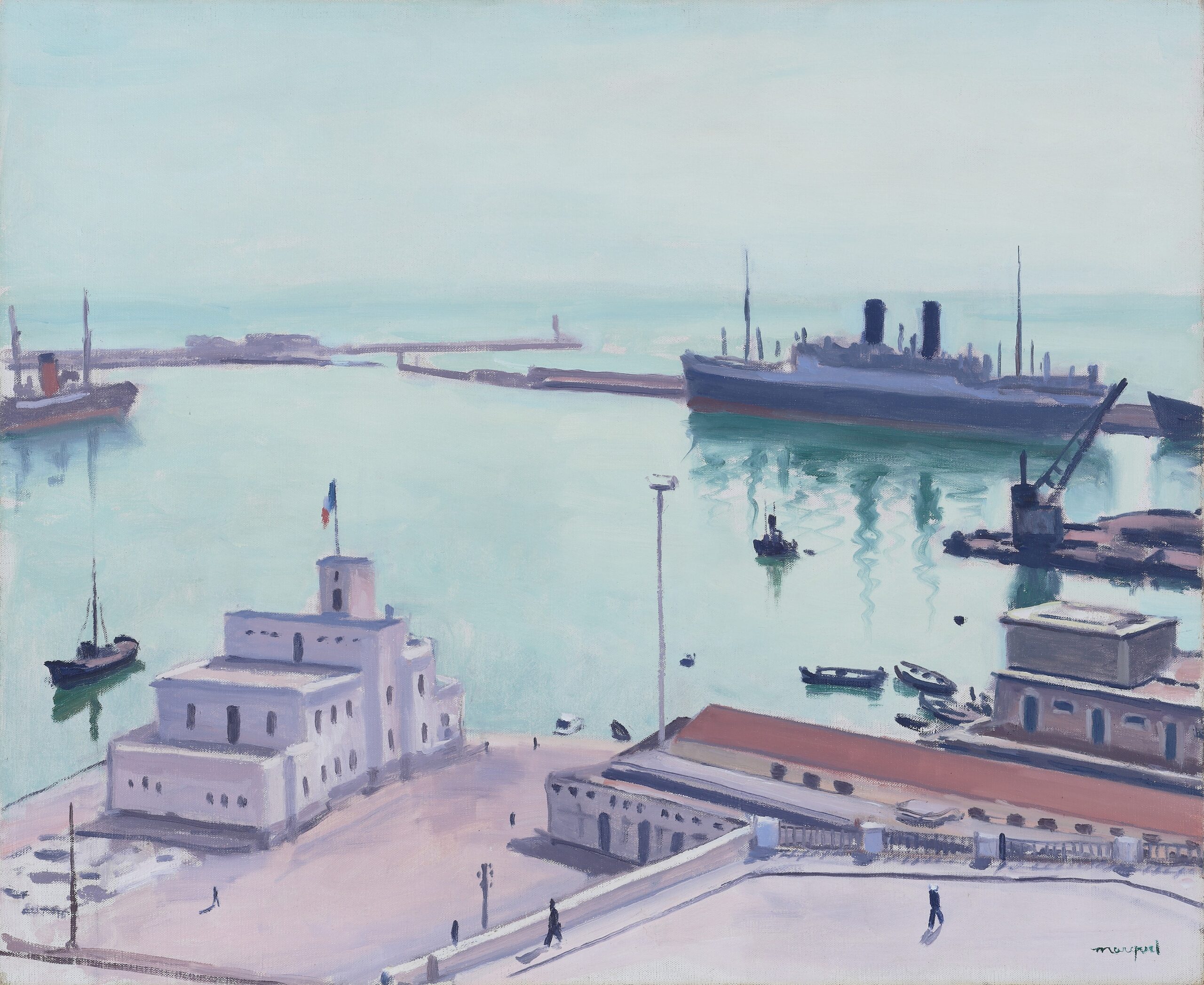
The artist Albert Marquet (1875–1947) promoted Fauvism together with Henri Matisse in France at the beginning of the twentieth century. His bold compositions referred to as “Our Hokusai” and his placid colors based on a gray tone enchanted many Japanese artists including Ishii Hakutei and Takata Rikizo. It is thirty-five years since the last solo exhibition of works by Marquet was held in Japan. Approximately ninety works from museums, galleries, and private collectors in France and Japan present the charm of this artist who enjoyed traveling and loved waterside scenery.
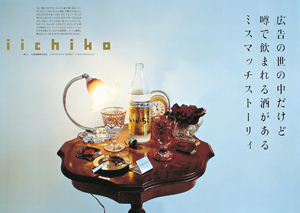
As the third exhibition of the “Chikugo-ist” series, designs by Kawakita Hideya (b. 1947), an art director from Kurume, are introduced. Beginning from subway route maps and subway manner posters, which are representative examples of his early years, the “design journey” Kawakita has continued to undertake is traced by delving into the charm of his designs for iichiko. For more than forty years from 1984 to the present, he has directed all aspects of iichiko including the B-series-size posters displayed at stations, bottle designs, TV commercials, and magazine ads.
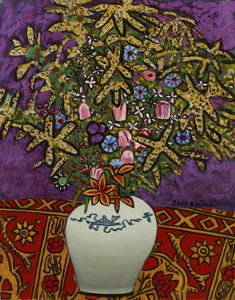
Kurume City Art Museum has acquired approximately 320 works since its opening. From the works which, having crossed paths, have joined our collection, the curators have selected their top recommendations. In the galleries, there are corners where you can write down your recollections or impressions about the artists or the exhibits. All visitors are invited to share their thoughts about the works and artists and enjoy staging this exhibition together with the museum.
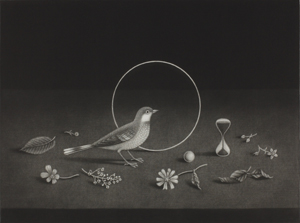
Hasegawa Kiyoshi (1891–1980), a leading print artist of Japan, revived the classical technique of manière noir (mezzotint), leaving a significant mark on the history of printmaking. He went to Europe in 1919 and lived in Paris for the rest of his life. Alongside prints by contemporaneous artists he was involved with and old prints he was influenced by, the charm of Hasegawa’s printmaking is introduced exhaustively through representative examples of mezzotints, for which he is best-known, and his quest for a variety of printmaking techniques including burin (engraving) and aquatint from early on in his career to his final years.